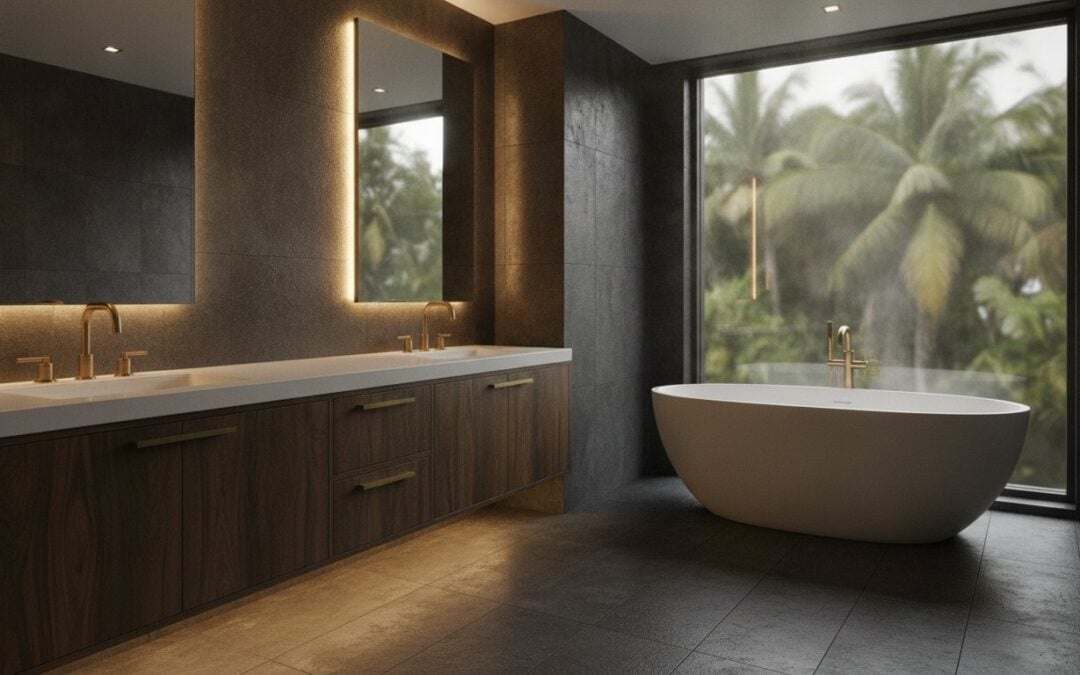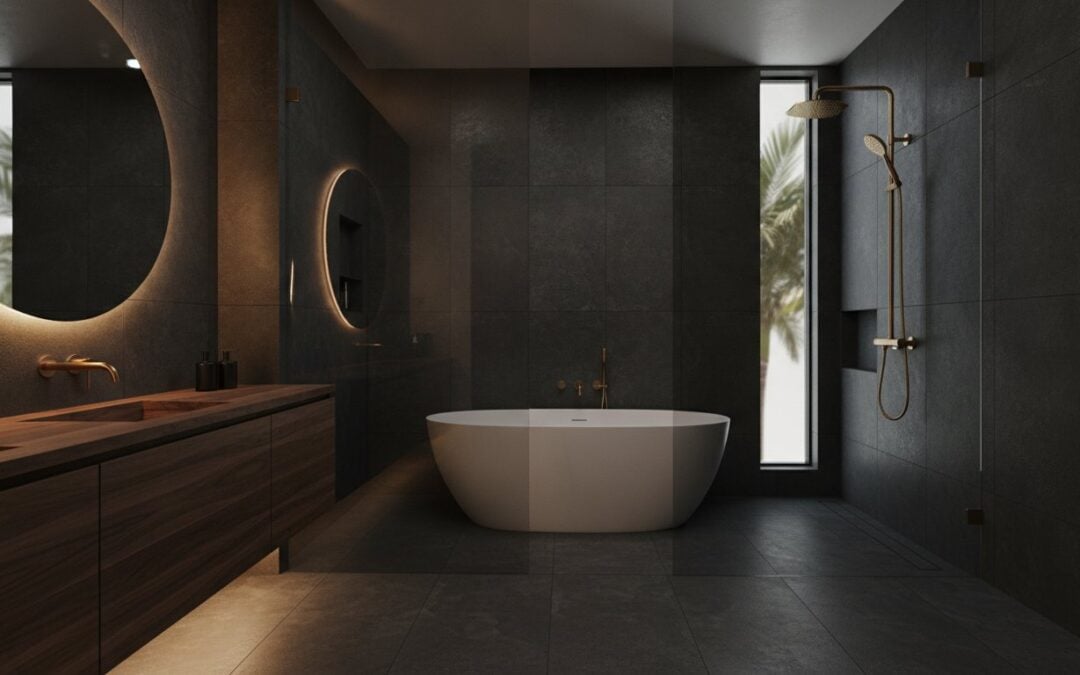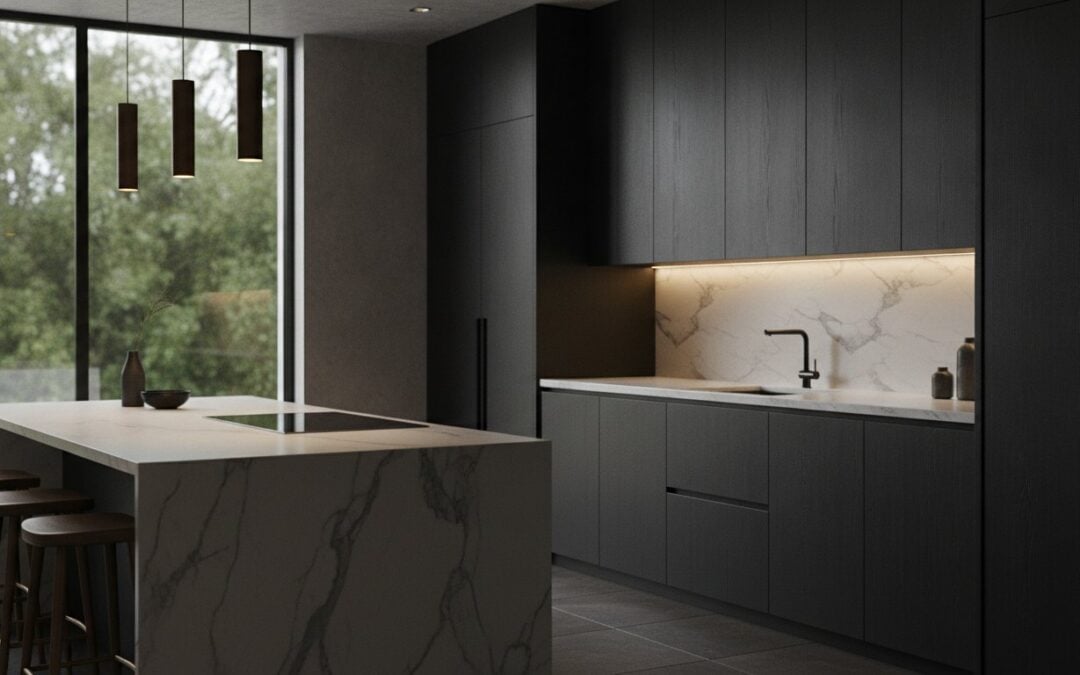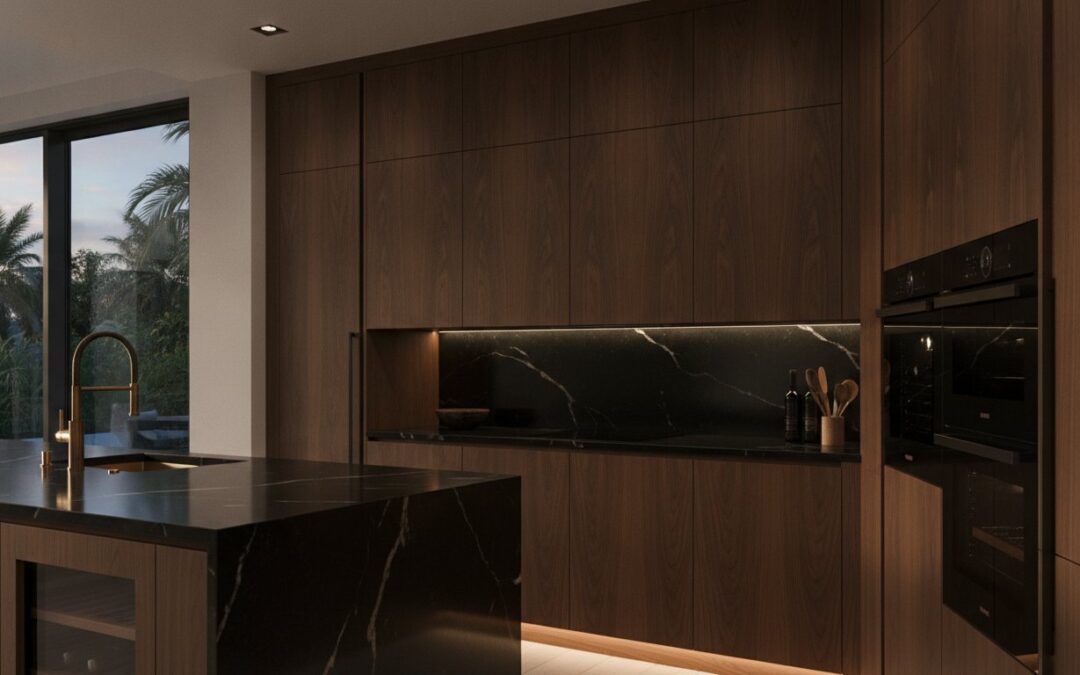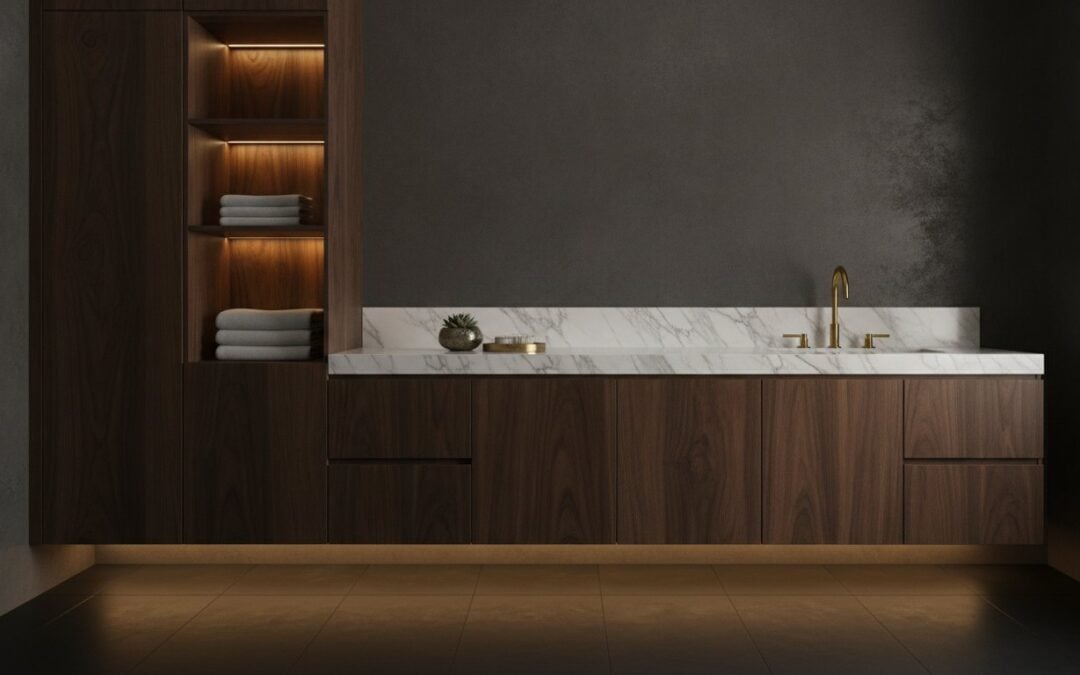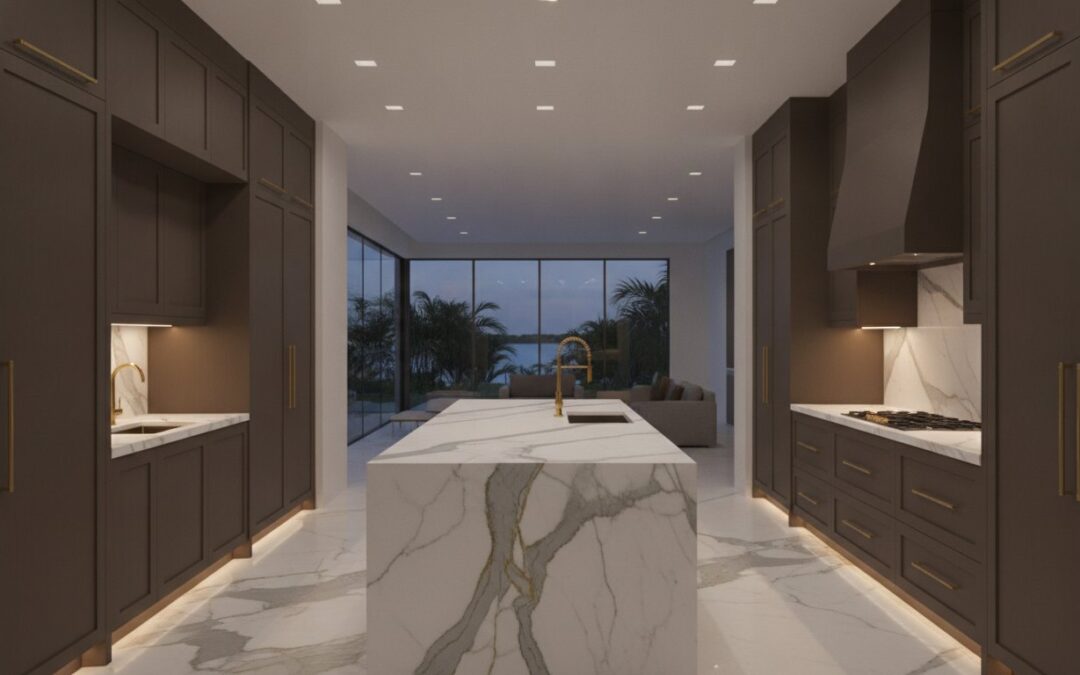
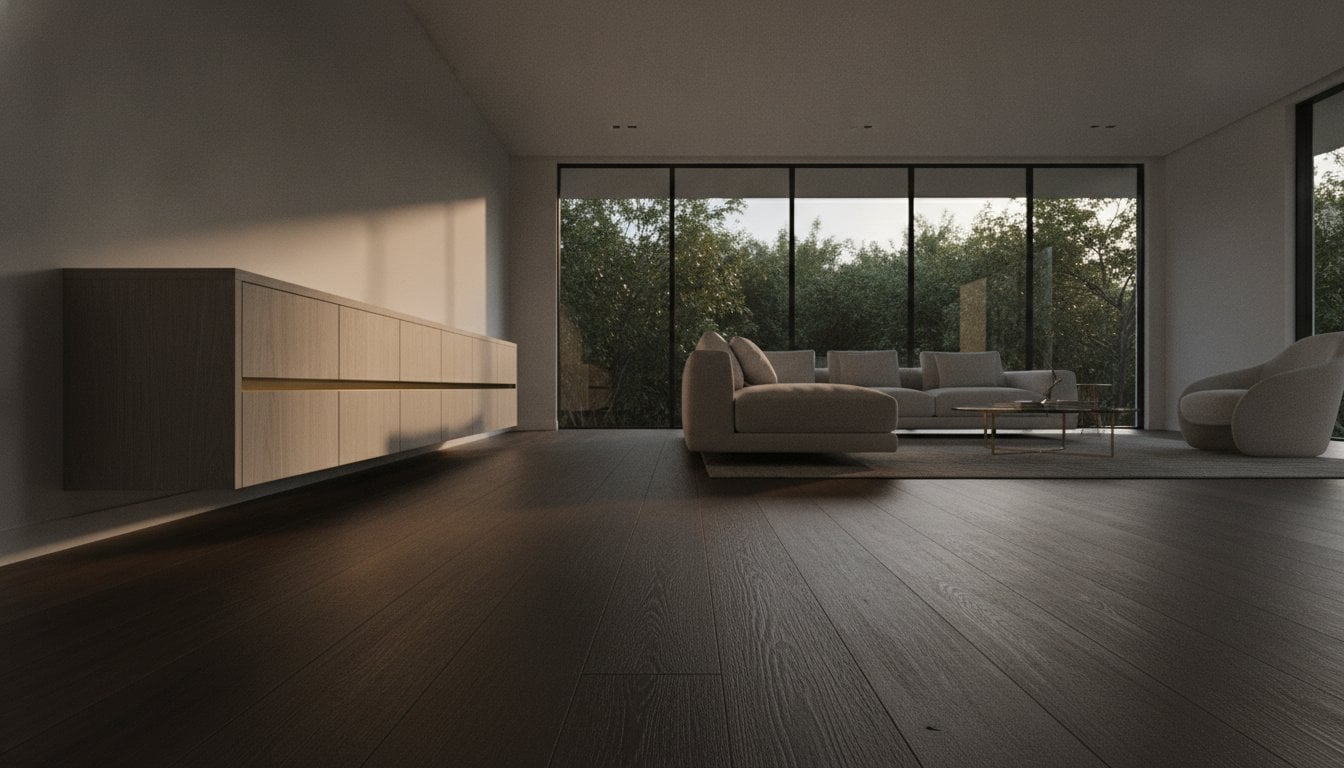
That stunning wide-plank hardwood you saw in a California design magazine might be the quickest way to ruin your renovation if you don’t account for the ground beneath your feet. It’s a frustrating reality for many who find that Florida’s relentless humidity can turn a high-end investment into a warped, buckling mess within a single season. When you are planning a luxury flooring installation, Tampa experts must understand that the foundation of your home’s aesthetic isn’t just about the top layer; it’s about the technical precision of the moisture barrier and the meticulous subfloor preparation.
You deserve a space that feels curated, serene, and intentionally designed. It is natural to feel some anxiety when choosing between the organic warmth of engineered wood and the incredible durability of modern luxury vinyl. You want a result that is timeless, resilient, and masterfully executed without the stress of managing unreliable contractors. This guide will help you navigate those choices with absolute confidence. We will break down the specific material trade-offs for our coastal climate, explain why the 9th Edition of the Florida Building Code matters for your upcoming project, and show you how to ensure your new floors anchor your home’s design for decades to come.
Key Takeaways
- Learn why Florida’s humidity makes material stability more important than a luxury price tag when choosing your home’s foundation.
- Discover why 70% of a successful luxury flooring installation project in Tampa involves invisible subfloor preparation that prevents future buckling or gaps.
- Stop picking floor colors in a vacuum and learn how to align your materials with custom millwork and natural light for a cohesive design.
- Master the art of spotting a professional installation over a “handyman special” to ensure your high-end investment actually lasts.
- See what actually drives flooring installation cost over a Florida slab, from moisture testing and leveling to the material you choose and how it is laid.
Beyond the Showroom: Selecting Luxury Flooring for the Tampa Climate
Walking into a high-end showroom can be overwhelming because everything looks perfect under those gallery lights. But here is what actually matters: a “luxury” label on a box doesn’t guarantee the floor will look good in your home six months from now. In our region, true luxury is defined by material stability. If your expensive planks start to cup or gap because they can’t handle a humid July afternoon, that investment quickly loses its value. When you are planning a luxury flooring installation, Tampa weather must be your primary design consultant.
Florida’s relentless humidity dictates your choices more than any trend report ever could. You need materials that won’t swell when the AC cycles or shrink when the air gets a bit drier in the winter. Acclimation is the critical 48 to 72 hour window where your wood flooring sits inside your home’s climate-controlled environment to reach a moisture balance before the actual installation begins. Skipping this step is the fastest way to ruin a high-end project.
Engineered Hardwood vs. Luxury Vinyl: The High-End Trade-off
Solid hardwood is a beautiful tradition, but in the Tampa Bay area, it’s often a recipe for heartbreak. Engineered hardwood is the superior choice for a sophisticated look because its layered construction resists the moisture-driven movement that destroys solid wood. For waterfront homes or rooms with direct pool access, premium waterproof vinyl is a smart alternative. It offers a surprisingly high-end underfoot feel and excellent sound dampening while being virtually bulletproof against wet feet and sandy paws. You can find more details on how these structures differ in this overview of flooring materials.
The Sophistication of Large-Format Tile and Natural Stone
Nothing anchors an open-concept home quite like large-format tile. These massive slabs minimize grout lines, creating a monolithic, expansive look that makes your living space feel more serene and intentional. While marble and travertine offer unmatched natural beauty, they are porous and require regular sealing to prevent staining. High-end porcelain has become a favorite for many of our clients because it mimics the look of natural stone without the maintenance headache. To keep that seamless aesthetic, consider these points:
- Choose a grout color that matches the tile exactly to hide the joints.
- Keep grout lines as narrow as the manufacturer allows for a “poured” look.
- Opt for rectified edges to ensure every tile sits perfectly flush with its neighbor.
Precision Underfoot: Why Masterful Installation Matters More Than the Material
Imagine spending thousands on premium white oak only to hear a “clack” every time you walk across the room. That hollow sound or a slight bounce underfoot usually means someone skipped the subfloor prep. In a high-end luxury flooring installation, Tampa homeowners often realize too late that the invisible work is what actually keeps the floor quiet and flat. Here is the truth: a floor is only as stable as the subfloor it sits on.
Professional artisans treat the concrete slab or wooden joists like a canvas that must be perfectly level before the first plank is laid. We use advanced leveling compounds to erase dips and high-grade moisture barriers to block the dampness rising from the Florida ground. This technical precision is why masterful installation matters far more than the price of the material itself. A handyman might just roll out some foam and start clicking planks together, but that approach rarely survives a full cycle of Florida seasons.
The Ethicore Installation Process: A Step-by-Step Overview
Our process starts with rigorous moisture testing. In our climate, “dry” is a relative term, so we use digital meters to ensure your slab isn’t hiding moisture that will cause buckling later. Once we verify the environment, we move into precision layout planning. We don’t just start at the longest wall; we calculate sightlines and transitions so you don’t end up with an awkward, tiny sliver of wood at your entryway or kitchen island. We also prioritize clean job-site management, ensuring your home remains a sanctuary even during the transformation.
Seamless Transitions and Custom Millwork Integration
One of the biggest “tells” of a budget install is the use of bulky, overlapping T-moldings at every doorway. These strips break the visual flow and look like a cheap afterthought. For a truly bespoke feel, we prefer custom-crafted transitions and “flush mounts” that sit perfectly level with the floor. This level of detail is essential when your flooring meets your custom cabinetry or intricate baseboard profiles. If you’re ready to see how these details can elevate your home, we’d love to start a conversation about your vision.

What Drives Flooring Installation Cost Over a Florida Slab?
The question we hear most often is what it costs to have flooring installed. The honest answer is that two floors of the same size in Tampa can be priced far apart, and the difference usually sits under the surface rather than in the box. Most homes here sit on a concrete slab in a humid climate, so the price of a new floor comes from three things: the material you choose, how that material has to be installed, and the preparation your slab needs before anything goes down. That is how we quote flooring installation in Tampa and St. Pete: to your rooms, your material and your slab, so you know the full cost before anything is torn out.
It is also why we don’t publish a per-square-foot rate. A labor figure quoted on its own leaves out most of the work described below, and that work is what decides whether the floor stays flat and quiet.
Moisture Testing and the Barrier It Calls For
Every slab is tested before installation, and the readings decide which vapor barrier or adhesive your floor goes down with. A slab that reads high needs more protection than one that reads dry, and that difference belongs in the quote from the start. Skipping the test looks cheaper on paper, but an untested slab is one of the most common reasons a floor fails, and replacing a failed floor means emptying the room, pulling baseboards and paying for the job twice.
Removal, Grinding and Self-Leveling
Old flooring and its adhesive come up first, and how much work that takes depends on what is down now. Then the slab is flattened: high spots are ground down and low spots are filled with self-leveler. How flat your slab is today sets how much of this work your floor needs. Large-format tile and long, wide planks show dips that smaller formats can hide, so they generally ask for a flatter slab and more leveling. A dip left in place tends to come back later as hollow spots or uneven tile edges.
Material and How It Is Installed
The material sets the price of the box, but it also sets the installation method, and the method carries its own labor:
- Engineered hardwood: planks acclimate in the house with the air conditioning running, then go down glued or floated according to the manufacturer’s instructions. Engineered hardwood installation cost moves with that method, the plank width and whether the wood is finished on site, which adds final coats after the floor is down.
- Porcelain and large-format tile: each tile is set with full mortar coverage, leveling clips keep neighboring edges even, movement joints are built into the layout, and grout is cleaned and sealed where the product calls for it.
- Luxury vinyl plank: it is forgiving of wet feet and sand, but it still needs a flat, dry slab. Vinyl laid over an unlevel or damp slab shows the problem quickly.
- Solid hardwood: as covered above, it is the most reactive to Florida humidity, which is why we usually steer clients toward engineered wood instead.
Layout, Transitions and Condo Requirements
The finishing work is easy to overlook in a quote. Baseboards come off and go back on, doors often need trimming to clear the new floor, and every place the floor meets tile, stairs or another room needs a planned transition. Patterns such as herringbone take more cutting and layout time than a straight lay. In condos, many associations require sound underlayment under new floors, along with rules on work hours and elevator use, and those requirements are part of the cost too.
What a Complete Flooring Quote Should Include
When you compare flooring installation quotes, check that each one covers:
- Moisture testing of the slab, and the vapor barrier or adhesive the readings call for.
- Removal of the old flooring and adhesive.
- Grinding high spots and self-leveling low ones.
- Acclimation time for wood and engineered planks.
- Baseboards, transitions and door trimming.
- Sound underlayment, if your condo association requires it.
A quote that leaves these out isn’t cheaper; it moves the cost to later. Our flooring installation quotes spell out the prep your slab needs alongside the material, and if the floor is part of a larger project, it is priced inside your full home remodel rather than as an afterthought.
Anchoring Your Vision: Flooring as the Foundation of a Full-Home Remodel
Picking a floor in a vacuum is a classic high-end design mistake. You might find a gorgeous French oak sample in a showroom, but if it clashes with your kitchen’s natural light or the warm undertones of your millwork, the whole room will feel disjointed. A successful luxury flooring installation requires looking at the big picture from day one. Your floor is the largest surface area in your home. It dictates how light bounces through the space and how every piece of furniture feels in the room.
In an open-concept full home remodel, the flooring acts as the visual thread that pulls everything together. It defines the flow between the kitchen, the living area, and the transition to your outdoor space. When you work with a design-build partner, we manage the flooring as part of a unified vision rather than a standalone task. This ensures the wood grain complements your custom cabinetry and the stone textures align with your architectural style. It’s about creating harmony, not just covering the slab.
Consistency Across the Home: The Case for Uniform Flooring
Choppy, room-by-room material changes are a thing of the past for luxury homes. Using the same material throughout the main living areas creates a sense of scale and serenity that you just can’t get with transition strips. It makes the home feel more expansive and intentional. There are exceptions, of course; a bold marble pattern in the foyer or a textured stone in the primary bath can act as a beautiful design accent, but for the most part, consistency is your best friend.
Choosing a Partner, Not Just a Contractor
Don’t just look for the lowest estimate when you’re ready to upgrade. A premium remodeling firm offers more than just labor; they provide transparent communication and the security of knowing the work is backed by long-term experience. You want a partner who respects your vision and has the discipline to execute it perfectly. The next step is simple. Start with an intentional consultation to discuss how a new foundation can transform the way you experience your home.
Ready to Anchor Your Home’s New Foundation?
Choosing the right floor is about more than just finding a beautiful surface in a showroom. It’s about ensuring that your luxury flooring installation can withstand the Florida humidity while perfectly aligning with your overall design vision. We’ve spent over 40 years perfecting this balance of technical mastery and aesthetic purpose. By using a comprehensive design-build approach, we take the weight of project management off your shoulders and guide you from the first inspiration to the final realization of your space.
You don’t have to settle for “good enough” when you can have a floor that is truly built to last. Whether you’re coordinating with custom millwork or planning a full-scale transformation, the right partner makes the entire process feel seamless and intentional. It’s time to build a foundation that truly reflects your standards and your style.
Schedule your intentional design consultation with Ethicore today.We look forward to helping you create a space that feels as good as it looks.
Common Questions About Luxury Flooring in Tampa
How much does luxury flooring installation typically cost in Tampa?
It depends on three things: the material you choose, how it has to be installed, and the preparation your slab needs. Large-format tile and wide-plank engineered wood carry different setting and leveling work, and moisture testing, self-leveler and the vapor barrier or adhesive the readings call for are part of the job rather than extras. Because a per-square-foot labor rate leaves most of that out, we quote each floor to your rooms, material and slab before anything is torn out. The section above on what drives flooring installation cost walks through each piece.
How does Florida humidity affect hardwood flooring installation?
High humidity causes natural wood to absorb moisture and expand, which often leads to cupping where the edges of the planks rise higher than the center. This is why we insist on a 48 to 72 hour acclimation period and professional-grade moisture barriers for every luxury flooring installation project. Without these precautions, even the most expensive wood will buckle as the seasons change and the air moisture fluctuates.
Is engineered wood better than solid wood for homes in St. Pete?
Engineered wood is almost always the superior choice for our coastal environment because its layered core is designed to resist warping and shifting. Solid wood is beautiful, but it is far too reactive to the high moisture levels found in many St. Pete homes. You get the exact same aesthetic of real hardwood but with the structural integrity needed to handle our specific Florida climate without the risk of gaps.
How long does a professional flooring installation take for a whole house?
A thorough whole-house installation typically spans seven to ten business days for an average-sized home. This timeline includes the non-negotiable acclimation period and the time needed to meticulously level your subfloor before a single plank is laid. We prefer a methodical pace because rushing the process often leads to hollow spots or uneven seams that are nearly impossible to fix once the furniture is back in place.
Can I install new luxury flooring over my existing tile?
You can sometimes install over existing tile, but it is rarely the best move for a high-end finish. Layering new material on top can create awkward height transitions at your doors and might cause the old grout lines to show through your new floor over time. Removing the old tile and starting with a clean, level slab is the only way to ensure your new floor stays flat and quiet for decades.
What is the best flooring for a luxury home with pets and children?
High-end porcelain tile or premium luxury vinyl are the smartest choices for busy households that don’t want to sacrifice style for durability. These materials are nearly impossible to scratch and handle spills without staining or warping. If you prefer the warmth of wood, look for an engineered option with a thick, high-quality wear layer that can handle heavy foot traffic and the occasional dropped toy without showing immediate wear.